
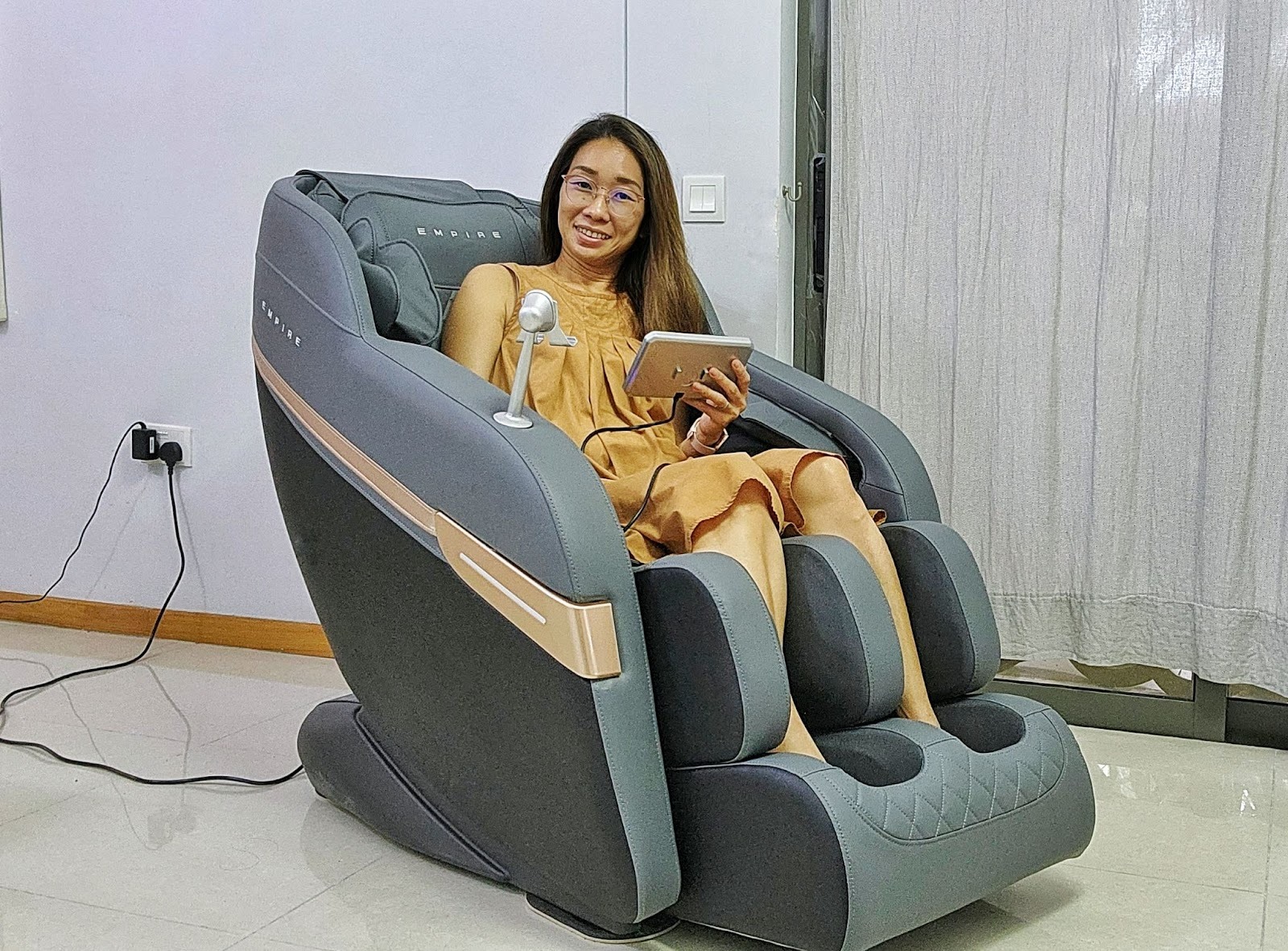
Can Massage Chairs Help With Muscle Fatigue From Standing Jobs?
Muscle fatigue is a common issue faced by individuals who spend long hours standing during their workday. Jobs such as retail, healthcare, hospitality, and manufacturing often require prolonged periods of standing, which can lead to discomfort, soreness, and muscle exhaustion. In recent years, massage chairs have gained popularity as a potential solution to alleviate muscle fatigue associated with these physically demanding roles. But can massage chairs truly help with muscle fatigue from standing jobs?
When standing for extended periods, muscles in the legs, lower back, and feet are under constant strain. This continuous load can cause blood circulation to slow down and muscles to become tight or sore. Massage chairs are designed to mimic the techniques used by professional masseuses-such as kneading, rolling, tapping, and compression-to target specific muscle groups and promote relaxation. By stimulating blood flow through gentle pressure and movement on fatigued muscles, massage chairs may help reduce stiffness and improve recovery.
One of the primary benefits of using a massage chair reviews after a day spent standing is enhanced circulation. Improved blood flow helps deliver oxygen and nutrients more efficiently to tired muscles while facilitating the removal of metabolic waste products that accumulate during physical exertion. This process aids in reducing inflammation and accelerating muscle repair.
Additionally, many modern massage chairs come equipped with heat therapy features that provide soothing warmth to tense areas like the lower back or calves. Heat therapy further relaxes muscles by increasing tissue elasticity and reducing pain signals sent to the brain.
Beyond physical relief, using a massage chair can also contribute positively to mental well-being by lowering stress levels through relaxation responses triggered during massages. Reduced stress indirectly benefits muscular health since tension often exacerbates feelings of tightness or discomfort.
However, it is important to recognize that while massage chairs offer temporary relief from muscle fatigue symptoms caused by prolonged standing at work-they do not replace proper ergonomic practices or medical treatment when necessary. Incorporating regular breaks during shifts for stretching exercises or short walks remains crucial for preventing severe muscular issues over time.
In conclusion, massage chairs can be an effective complementary tool for managing muscle fatigue resulting from jobs requiring long hours on one’s feet. Their ability to enhance circulation, relieve tension through mechanical manipulation combined with heat therapy makes them valuable for post-work recovery routines. Nevertheless maintaining good workplace ergonomics alongside consistent physical activity should remain priorities for individuals seeking lasting comfort throughout their working lives.